Find Your Joy & Creativity
How to Know If a Scene Is Working (Even If It Feels Off)
Ana
1/14/20265 min read


(Disclosure: As an Amazon Associate, I earn from qualifying purchases. This comes at no extra cost to you.)
Dear Joyvity™ Friends,
There’s a moment every writer knows. You finish a scene. You reread it. And instead of relief, you feel uncertain. Nothing is obviously wrong — but something doesn’t sit right either. The scene feels flat. Or just… off.
Most of us don’t know what to do with that feeling. We either start rewriting too fast or assume we’ve done something wrong or worst yet, we feel like second guessing our own capabilities and talent.
Learning how to tell whether a scene is working (even when it doesn’t feel right yet) is one of the most useful skills a writer can develop. This is discussed in many writer workshops and courses. Here are some key points that helped me.
You Wrote the Scene — But It Feels Wrong
That “something’s off” feeling usually comes from one of two places:
• The scene isn’t clear or grounded enough
• The scene is too quiet or subtle, and you don’t yet trust it
The problem is that most writing advice treats both the same way: Add more tension. Cut harder. Raise the stakes. Sometimes that helps. Often, it just makes things worse. Before changing the scene, it helps to understand why it feels the way it does.
Five Signs a Scene Isn’t Working (Yet)
These aren’t rules — they’re checkpoints you can use to get your bearings.
1. Nothing Shifts
By the end of the scene, nothing has changed — not emotionally, not in the plot. A scene doesn’t need drama, but it does need movement. Even a small realization or discomfort counts. If everyone ends exactly where they began, the scene may not be pulling its weight.
2. It’s Mostly Summary
You’re explaining what happened instead of letting us be there.
This often looks like:
Long explanations
Emotional conclusions without moments
Time passing too quickly
Summary has its place, but when it replaces lived moments, the scene can feel hollow.
3. The Characters Aren’t Doing Much
They talk, think, remember — but don’t act. Small physical actions matter more than we think: touching an object, looking away, pacing, bending, stretching, you get it. Action gives emotion somewhere to land.
4. The Dialogue Feels Too Direct
People say exactly what they mean. They explain instead of circling or avoiding. However, real dialogue usually carries something underneath it. If everything is said out loud, the scene can feel thin.
5. You Can’t Say Why the Scene Exists
If you ask yourself, “Why is this scene here?” and the answer feels fuzzy, that’s useful information. A scene can do many things — but it should have one clear center: to reveal something, to complicate something, to shift something. If you can’t name that center, the scene may need focus.
Emotional Flatness vs. Quiet Strength
This is where many of us lose confidence. Not every calm scene is weak. Not every quiet moment needs more drama.
A scene has quiet strength when:
There’s tension under the surface
Something is being held back
The reader can sense meaning even if little happens
A scene feels flat when:
There’s no emotional pull
The writing feels neutral
You feel nothing when you reread it
The difference isn’t volume. It’s whether there’s an emotional current running underneath that is palpable.
What to Do Before You Rewrite
Before changing a single sentence, try one of these first.
Read the Scene Aloud
You’ll hear rushed moments, stiff dialogue, or dead lines right away. Your ear often knows before your mind does.
Name the Unspoken Emotion
Ask yourself: What is the character not admitting — even to themselves? Write one honest sentence answering that. It often clarifies the entire scene.
Step Away From the Desk
A short walk or change of space can reset your perspective. Many scene problems aren’t technical — they’re about tension and clarity, which are easier to feel when you’re not staring at the page.
Write One Messy Paragraph as the Character
No craft. No polish. Just let them talk — what they want, what they’re afraid of, what they’re avoiding. You’re not rewriting. You’re listening to your characters so you can better define them next.
Return to Ritual
When a scene feels off, forcing fixes rarely helps. When I write, it is always part of a ritualistic process, where I am physically reaching for the familiar to ground my body and mind before taking the leap into the unknown depths of creativity. Here are my writing ritual items:
Journal – PU Leather, elegant and practical, available in 10 colors


Its thread-bound lay-flat feature makes it easy for all hand users to write on every page. It has 216 ruled pages that don’t ghost or bleed-through. Just lovely!
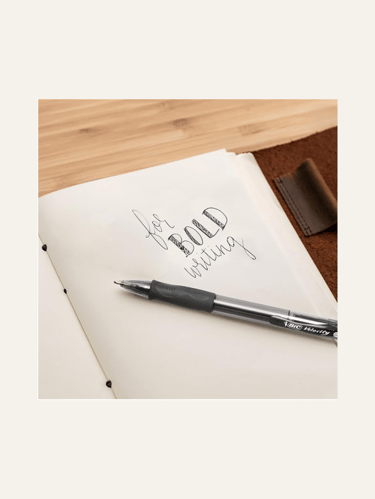
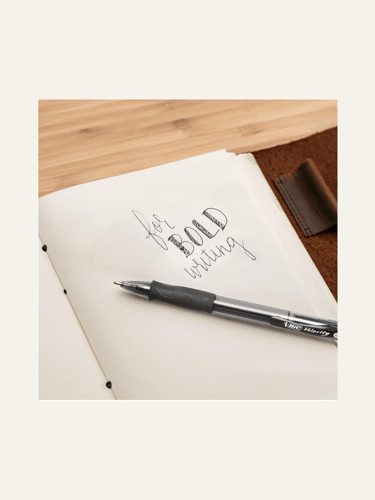
Pen – Bic Velocity 1.0 in black
I have used these for years due to their comfortable grip and easy glide system. I won't write with anything else!
A Candle That Grounds You
Choose a scent that signals focus — sandalwood, lavender, or something personal that reminds you of warmth and stillness. This here is the one I prefer.


A Ceramic Mug That Feels Like Yours (Unisex)
There’s something grounding about holding the same mug every day — it becomes part of your creative identity. I love this one: the image on the outside, the writing on the inside, the feel & the shape.


An Hourglass That Binds Your Time
Flipping an hourglass at the start of your writing block turns time into something tangible — a visual ritual that signals focus, presence, and the gentle pressure of now. This is mine - 60min.


👉 You can also explore more in my gift guide for writers: Gift Ideas to Support a Writer’s Daily Rituals
Final Thoughts
A scene doesn’t have to be perfect to be alive. And uncertainty doesn’t mean you’ve failed. Sometimes a scene feels wrong because it is wrong. Other times, it’s simply quiet — and asking you to listen more closely. Learning to tell the difference takes time. But once you can, editing becomes calmer, clearer, and far less scary.
If this topic resonates, you may also enjoy these other writing reflections on my blog:
You Don’t Have to Write Like Them — Why Your Style Is Enough
How to Write Characters With Secrets, Lies, and Emotional Layers
Wishing you steady trust in your progress,
Ana ✨
Copyright © 2026 Ana and Joyvity™. All Rights Reserved.