Find Your Joy & Creativity
How to Tell If You’re Overexplaining in Your Writing (and How to Stop)
Ana
2/9/20265 min read
(Disclosure: As an Amazon Associate, I earn from qualifying purchases. This comes at no extra cost to you.)
Dear Joyvity™ Friends,
You finish writing a paragraph or a scene and something feels heavy. Just… too much.
The emotion is clear. The point is clear. And yet the writing feels too dense.
That’s often a sign of overexplaining.
As I’ve learned through writing courses, craft books, and listening to experienced authors talk about revision, this is one pattern that keeps coming up again and again. It’s something I still catch myself doing. So, what I’m sharing here isn’t from a any personal secret: it’s from practice, from learning, from rewriting.
Overexplaining usually comes from caring deeply. We want the reader to understand our perfectly painted scene. We don’t want them to miss the meaning. So, we add a little more. And then a little more.
But strong storytelling depends on trust: trust in the reader to see the picture we’ve painted with our words.
What Overexplaining Really Is
Overexplaining happens when you:
Repeat an emotion the reader already understands
Add reasoning after the point is already clear
Spell out subtext that was working on its own
Explain a reaction instead of letting it land
It often shows up right after a good line.
You write something honest and sharp — and then you add two more sentences to make sure it’s understood. That’s usually where the weight begins.
Five Signs You’re Overexplaining
These aren’t rules. Think of them as gentle checkpoints. They are pinned on my wall.
1. You Say the Same Emotion Twice
“She was angry.”
A few lines later:
“She felt hurt and frustrated by what he said.”
If the scene already showed her anger through dialogue, silence, or action, the second explanation may not be needed.
Readers pick up more than we think. They don’t need every feeling spelled out.
2. The Dialogue Explains the Obvious
Sometimes characters say exactly what the scene has already shown.
“I’m upset because you didn’t call me,” she said.
If we just saw her waiting by the phone, checking it repeatedly, going quiet when he walked in, that full explanation might not be necessary.
Dialogue works best when it carries tension, not commentary.
3. You Justify a Character’s Behavior
You write an action.
Then you explain why they did it.
Then you explain what it means.
Often, one clear action is stronger than three explanations. Let the reader connect the dots.
4. The Narrator Steps In to Clarify the Moral
“He was selfish, and that’s why relationships never worked for him.”
Sometimes that sentence can be cut and replaced with behavior that shows the same truth.
When the narrator guides the reader too much, the story loses some of its power. You’re not writing an instructions manual.
5. You Feel Slightly Tired Reading It Back
This is important.
If you reread a paragraph and think, “Okay… that’s enough,” trust that instinct.
Your writing voice usually knows when it has crossed from clear into crowded.
Why We Do It
Overexplaining often comes from fear.
Fear that the reader won’t understand.
Fear that subtlety will look like a gap.
Fear that quiet writing won’t feel strong enough.
But clarity doesn’t require repetition. And subtlety is not vagueness. Confident storytelling leaves space.
How to Stop (Without Overcorrecting)
You don’t fix overexplaining by cutting everything. You fix it by tightening with intention.
Cut the Last Line of the Paragraph
Very often, the final sentence is the explanation. Delete it. Read the paragraph again. If the meaning still lands, you didn’t need it.
Trust Physical Action
Instead of writing:
“She felt nervous about the interview.”
Try:
“She smoothed her skirt for the third time and checked the clock again.”
Action carries emotion naturally; it’s the “show don’t tell” thing we all heard about.
Let Dialogue Breathe
If a character says something vulnerable, resist adding a sentence that clarifies it. Let silence do some of the work.
Ask: What Can I Remove Without Losing Meaning?
This question changes everything. If you can remove a sentence and the scene still works, it was likely extra.
Return to the Center of the Scene
In Blog 12, we talked about how every scene needs a clear center: to reveal something, complicate something, or shift something.
Overexplaining often happens when we drift away from that center. We start restating instead of moving forward.
When the writing feels heavy, ask: What is the one thing this moment needs to do?
Then cut what doesn’t serve that.
Return to Ritual
When I notice I’m overexplaining, it usually means I’m unsure. Or tired. Or trying too hard to control something.
Having my own writing ritual helps me step out of everyday life and into the cocoon of the writing world — where instinct and thought don’t have to fight for control. For me, that ritual is physical. I light a candle. I reach for the same pen. I place the hourglass on my desk. I open the notebook I always use when I need clarity. I wrap my hands around a warm mug.
Those small signals tell my brain: this is writing time. You’re safe here. You don’t have to force the meaning. Just write the moment honestly.
When the body relaxes, the writing tightens naturally. Here are the items I use during that ritual:
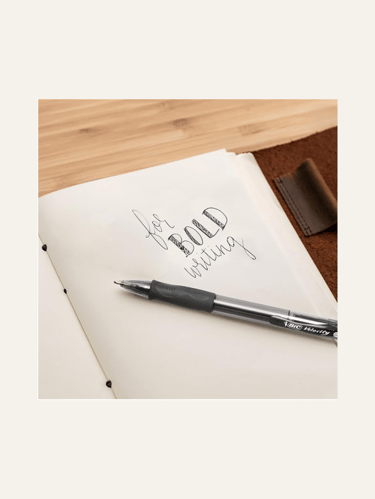
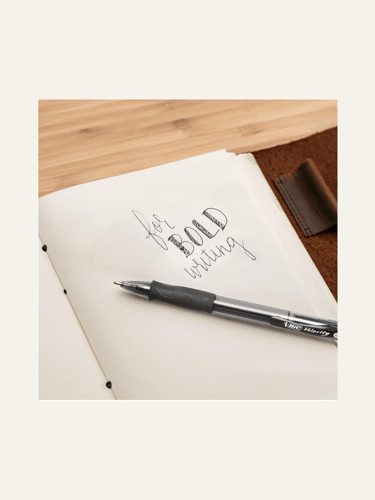
Journal – PU Leather, elegant and practical, available in 10 colors


Its thread-bound lay-flat feature makes it easy for all hand users to write on every page. It has 216 ruled pages that don’t ghost or bleed-through. Just lovely!
Pen – Bic Velocity 1.0 in black
I have used these for years due to their comfortable grip and easy glide system. I won't write with anything else!
A Candle That Grounds You
Choose a scent that signals focus — sandalwood, lavender, or something personal that reminds you of warmth and stillness. This here is the one I prefer.


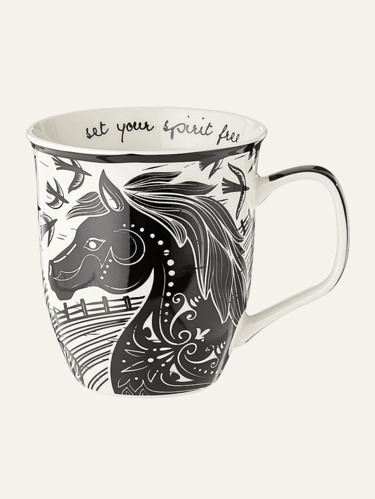
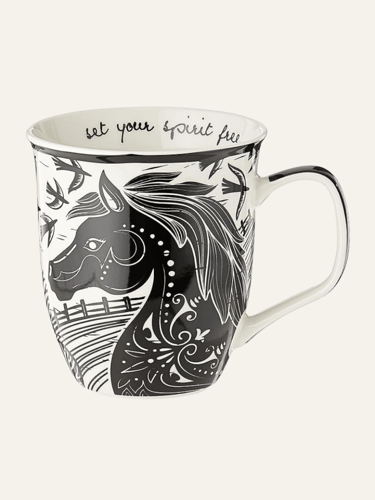
A Ceramic Mug That Feels Like Yours (Unisex)
There’s something grounding about holding the same mug every day — it becomes part of your creative identity. I love this one: the image on the outside, the writing on the inside, the feel & the shape.
An Hourglass That Binds Your Time
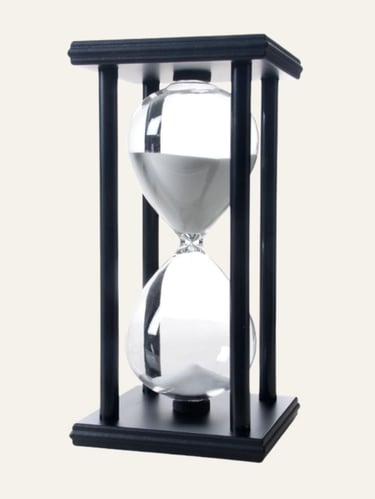
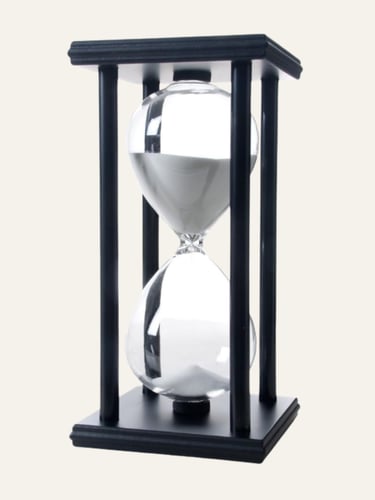
Flipping an hourglass at the start of your writing block turns time into something tangible — a visual ritual that signals focus, presence, and the gentle pressure of now. This is mine - 60min.
👉 You can also explore more in my gift guide for writers: Gift Ideas to Support a Writer’s Daily Rituals
Final Thoughts
Overexplaining isn’t a flaw. It’s often a stage. It shows that you care about being understood. But powerful writing comes from restraint as much as expression.
Trust the image.
Trust the action.
Trust the silence.
And most of all: trust your reader and trust your craft.
If this resonates, you might also enjoy:
How to Know If a Scene Is Working (Even If It Feels Off)
When the Scene Stalls — What to Change First
Voice vs. Vibe — How to Balance Technique with Emotion
Wishing you clarity and steady confidence on the page,
Ana ✨
Copyright © 2026 Ana and Joyvity™. All Rights Reserved.