Find Your Joy & Creativity
9 Creative Prompts to Unlock a Scene That’s Going Nowhere
Ana
4/9/20265 min read


(Disclosure: As an Amazon Associate, I earn from qualifying purchases. This comes at no extra cost to you.)
Dear Joyvity™ Friends,
You’re in the middle of a scene… and it just refuses to budge. The characters are there. The setting is clear. You know what the scene is supposed to do. But nothing is moving.
This happens to all of us and more often than we think. And it doesn’t mean the scene is wrong — it usually means it needs a shift. Something small. Something unexpected. Something that creates movement again.
These prompts are the kind of techniques that are commonly taught in writing courses and shared by experienced writers in their talks. What I’m doing here is gathering the ones I’ve come across and used myself, in a simple way you can return to when a scene feels stuck.
Use one. Try two. You don’t need all of them. You’re not fixing the whole story, you’re just giving the moment something new to react to.
1. Change the Weather
Bring in rain, heat, wind, or sudden cold. Weather affects mood, movement, and pace. A calm conversation in sunshine feels very different from one in a storm.
2. Introduce an Animal
A dog runs in. A bird hits the window. A cat refuses to leave. It sounds simple, but it breaks the rhythm. And once something interrupts, your characters have to respond.
3. Make Someone Lie
Not a big lie. A small one. Something unnecessary. Something subtle. Lies create tension instantly even if no one reacts to it right away.
4. Add a Physical Action
Have someone stand up, drop something, leave the room, or move closer. Action creates energy. Even small movement can shift the emotional direction of a scene.
5. Let Something Go Wrong
The coffee spills. The car doesn’t start. The phone dies. Minor problems create real reactions. And reactions are where scenes come alive.
6. Change What One Character Wants
Even slightly. If one person wants to leave and the other wants to stay, you have tension. Scenes move when desires don’t match.
7. Bring in a Memory (But Keep It Short)
A quick thought. A flash. Something that changes how the character feels in that moment. Not a full backstory, just enough to shift the emotional weight.
8. Add Silence
Stop the dialogue. Let something hang. Silence can be more powerful than any explanation. It forces meaning to settle without being spelled out.
9. Let the Scene End Earlier Than Expected
Sometimes the problem isn’t the scene, it’s that it’s too long. Cut it. End it right after something lands. Not every moment needs to be resolved.
Why These Prompts Work
They all do one thing: they introduce change. A scene doesn’t need to be dramatic to move forward; it just needs something to shift. Energy changes. Focus changes. Emotion changes.
This idea — that scenes move through change, tension, and reaction — is one of the most consistent lessons across writing courses and storytelling advice. Once something changes, the scene has somewhere to go.
When to Use Them
You don’t need to use prompts every time you feel stuck. They can be useful when you’re rereading the same lines without finding a way forward, when the scene feels flat, when you don’t know what happens next, or when you feel like you’re forcing the writing.
Instead of pushing harder, try shifting sideways. That’s often where the solution is.
When a scene isn’t working, we naturally get frustrated. For me, that’s usually a sign to slow down, not push harder. I step away for a moment, and generally go for walk. The cadence of my steps on the ground and the scenery I pass soothe my mind and allow a space for my creativity to shift gears.
As you know from my previous articles, I rely very heavily on using tactile means to immerse myself in the inner world of words. I light a candle. I reach for the same pen. I place the hourglass on my desk. I open the notebook I use when I need clarity. I hold the same mug.
Here are the items I use during that ritual:
Journal – PU Leather, elegant and practical, available in 10 colors


Its thread-bound lay-flat feature makes it easy for all hand users to write on every page. It has 216 ruled pages that don’t ghost or bleed-through. Just lovely!
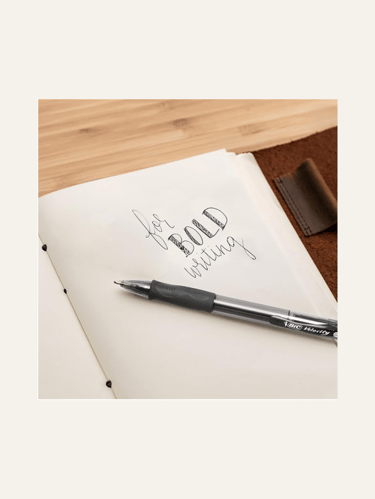
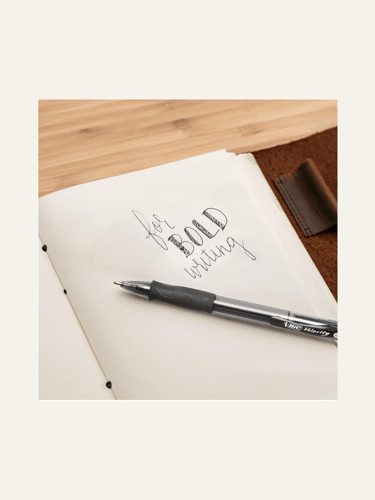
Pen – Bic Velocity 1.0 in black
I have used these for years due to their comfortable grip and easy glide system. I won't write with anything else!
A Candle That Grounds You
Choose a scent that signals focus — sandalwood, lavender, or something personal that reminds you of warmth and stillness. This here is the one I prefer.


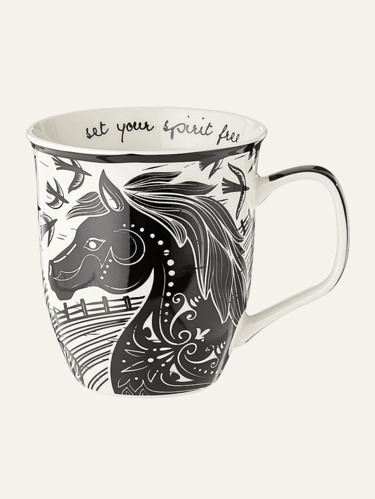
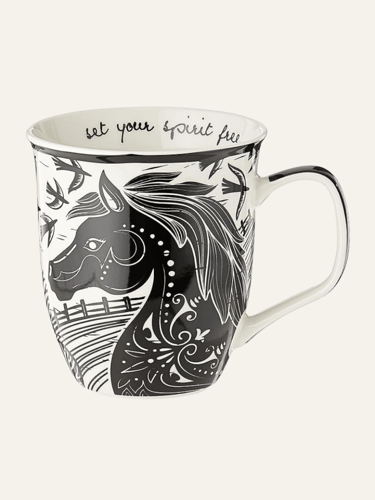
A Ceramic Mug That Feels Like Yours (Unisex)
There’s something grounding about holding the same mug every day — it becomes part of your creative identity. I love this one: the image on the outside, the writing on the inside, the feel & the shape.
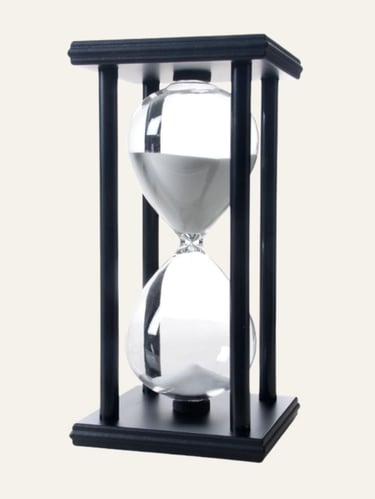
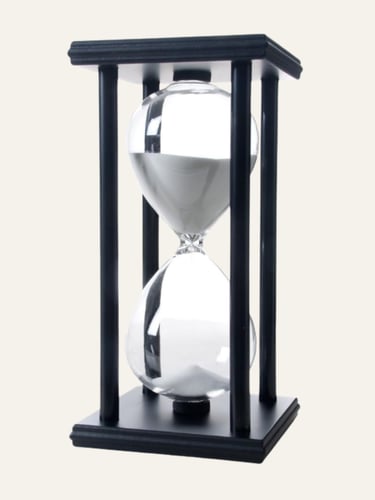
An Hourglass That Binds Your Time
Flipping an hourglass at the start of your writing block turns time into something tangible — a visual ritual that signals focus, presence, and the gentle pressure of now. This is mine - 60min.
👉 If this article resonates, you might also enjoy:
How to Know If a Scene Is Working (Even If It Feels Off)
How to Tell If You’re Overexplaining (and How to Stop)
Final Thoughts
A stuck scene is a signal that something in the moment needs to shift.
You don’t need a big solution, or to rewrite everything. You just need to change one element and then let the scene respond. It may even surprise you.
Wishing you movement and momentum on the page,
Ana ✨
Copyright © 2026 Ana and Joyvity™. All Rights Reserved.